
Daily Immune-Support Habits That Actually Work
A practical immune-support routine: sleep, nutrition, hydration, stress, and optional supplements—plus an easy daily checklist you can follow.

Editorial Insight
Health Nutrition Hacks Team
Multidisciplinary nutrition editors + RDs
Our team of nutrition experts and health professionals dedicated to bringing you evidence-based nutrition advice.
Immune support isn’t a quick fix. The immune system responds best to consistent basics—sleep, nutrition, hydration, and stress management. Supplements can support a routine, but they don’t replace the fundamentals. [1][2]
Biggest lever
Sleep consistency
Food focus
Protein + produce daily
Supplements
Optional, targeted
Friendly reminder: This article is educational and not medical advice. If you have immune-related conditions or take medications, consult a qualified professional.
The immune basics (simple and repeatable)
- Sleep: consistent bedtime/wake time supports recovery [1]
- Nutrition: protein + colorful produce helps cover key nutrients [2]
- Hydration: being run down often feels worse when you’re under-hydrated [3]
- Stress: small daily calming habits help support resilience
Related reading: Natural Supplements for Stress Relief
Daily immune-support habits
1) Prioritize consistent sleep
CDC shares practical sleep hygiene tips (timing, light, routine) that support better sleep consistency. [1]
2) Eat protein at breakfast
Protein-forward mornings help support steady energy and better choices later. [2]
3) Include 2 produce colors at lunch + dinner
A simple “color rule” increases nutrient variety.

4) Hydrate consistently
Harvard Health notes low fluids can make you feel tired and weaker than usual. [3]
5) Add light daily movement
A short walk counts and supports overall health habits.
6) Use supplements only when they match your needs
NIH ODS fact sheets are a good starting point for understanding vitamin D, vitamin C, and zinc. [4][5][6]
Daily immune checklist (copy/paste)
Daily basics
- • Water by mid-morning
- • Protein at breakfast
- • 2 produce colors at lunch + dinner
- • 10–20 minutes movement
Recovery basics
- • Consistent bedtime
- • 2-minute breathing reset
- • Plan 2 snacks
- • Wind-down routine step
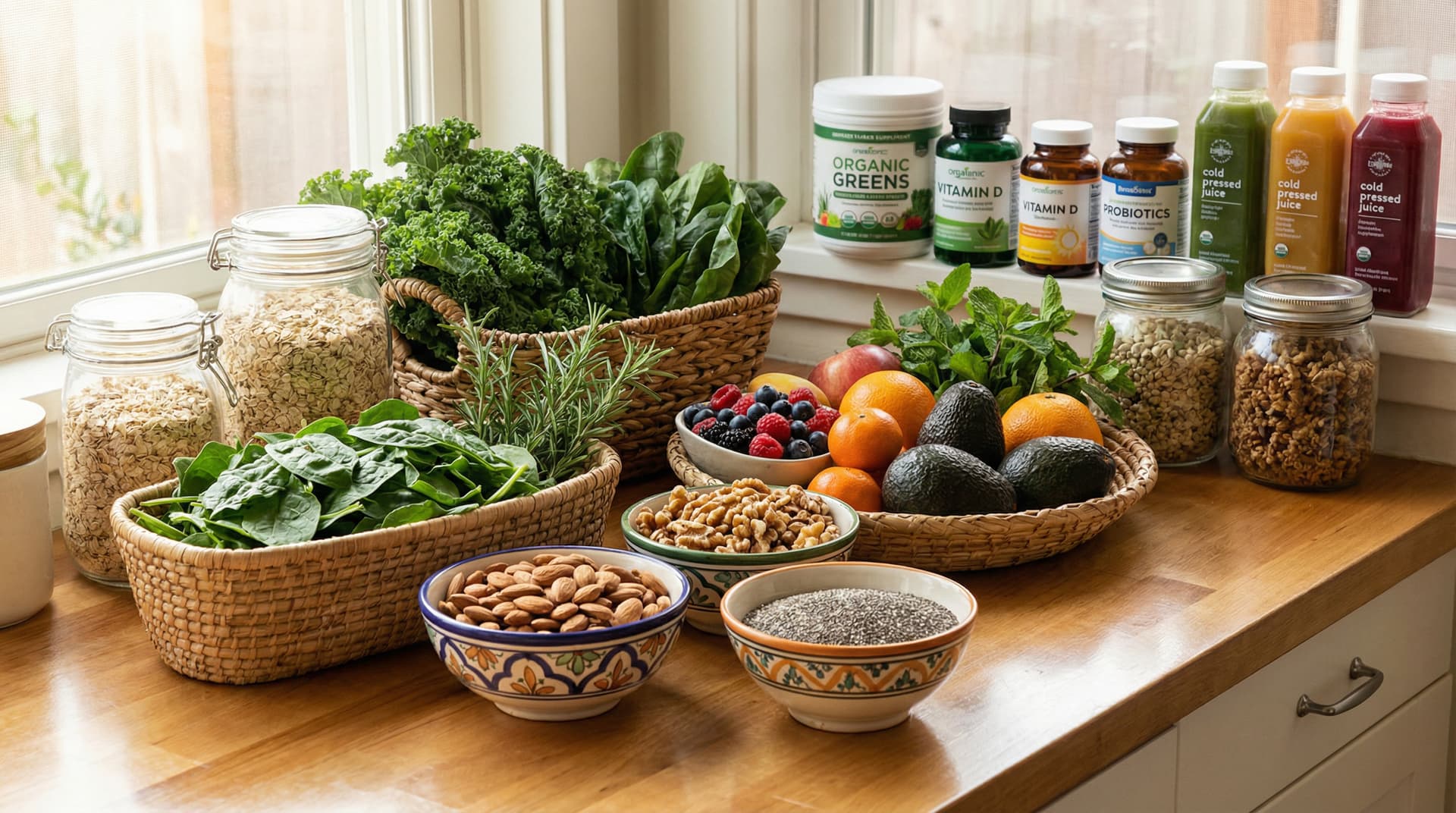
Product picks
Simple daily support
A straightforward option for routine support. Use as directed and avoid megadoses unless advised. [5]
Common baseline option
Often used when sun exposure is low. Consider checking your level with a professional. [4]
Seasonal routine favorite
Popular seasonal add-on. Think “support,” not “guarantee.”
Targeted mineral support
Zinc is essential, but more isn’t always better—stick to the label and avoid long-term high-dose use. [6]
Practical takeaways
Food-first routine
- • Protein at breakfast
- • Produce colors at meals
- • Hydration earlier in the day
Supplement-smart
- • Use targeted supplements only
- • Avoid stacking many products
- • Ask a professional if unsure
Routine builder
Save the checklist and follow it for 7 days
Most “immune support” comes from repeatable basics—sleep, meals, hydration, and stress habits.
FAQ
What are the best daily immune-support habits?
+
Consistent sleep, protein-forward meals, colorful produce, hydration, and stress management are the best foundations. [1][2]
Do supplements replace healthy habits?
+
No. Supplements can support a routine, but sleep, nutrition, hydration, and stress habits matter most. [4][5][6]
Should I take vitamin D every day?
+
Many people take it as a routine supplement, especially with low sun exposure, but it’s best to discuss dose and need with a professional. [4]
References
[1] CDC
Sleep Hygiene Tips
[2] U.S. Dietary Guidelines
Dietary Guidelines for Americans
[3] Harvard Health
Fight fatigue with fluids
[4] NIH Office of Dietary Supplements
Vitamin D — Consumer Fact Sheet
[5] NIH Office of Dietary Supplements
Vitamin C — Consumer Fact Sheet
[6] NIH Office of Dietary Supplements
Zinc — Consumer Fact Sheet
Editorial Insight
Health Nutrition Hacks Team
Multidisciplinary nutrition editors + RDs
Our team of nutrition experts and health professionals dedicated to bringing you evidence-based nutrition advice.
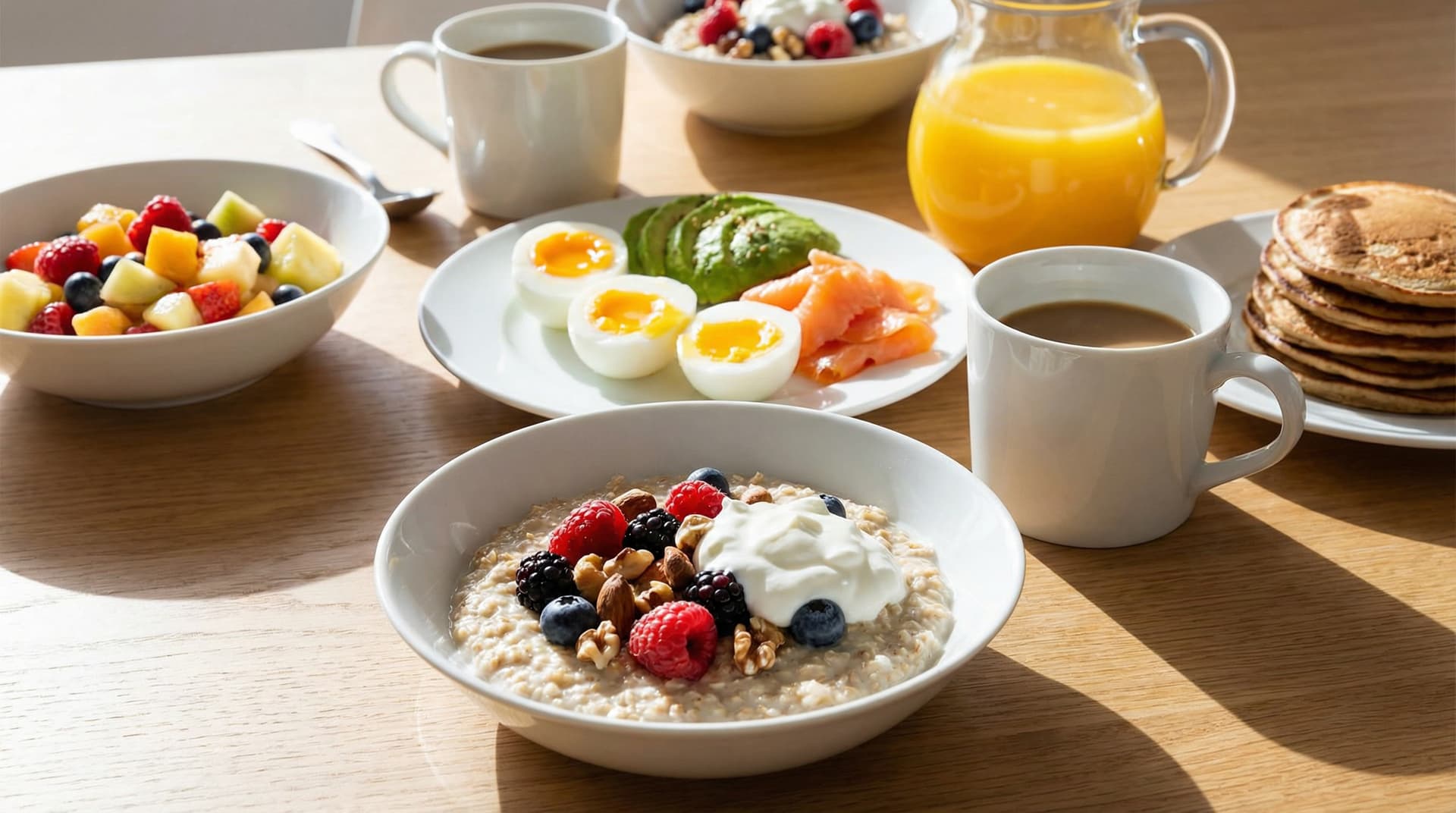
Healthy Breakfast Ideas for Energy and Weight Loss
10 healthy breakfast ideas for energy and weight loss—quick and sit-down options with a simple formula (protein + fiber) and easy product picks.
Read article