
Best Probiotics for Women’s Gut Health (Beginner-Friendly Guide)
A simple, science-backed guide to the best probiotics for women—what CFUs and strains mean, how to choose, and beginner-friendly picks for bloating and digestion.

Editorial Insight
Health Nutrition Hacks Team
Multidisciplinary nutrition editors + RDs
Our team of nutrition experts and health professionals dedicated to bringing you evidence-based nutrition advice.
Best Probiotics for Women’s Gut Health (Beginner-Friendly Guide)
If you’re trying to reduce bloating, improve digestion, or gently support gut balance, probiotics can be a simple place to start—but labels can be confusing.
This beginner guide explains what probiotics are, why strain + CFU details matter, and beginner-friendly probiotic options you can consider (with Amazon + iHerb picks you can add affiliate links to later).
Focus
Bloating relief & daily comfort
Beginner Goal
Understand strains + CFUs without overwhelm
Read Time
~10 minutes with quick-scan sections
Friendly reminder: This article is educational and not medical advice. If you’re pregnant, immunocompromised, or managing a condition, check with a qualified professional before starting supplements.
What are probiotics (in simple terms)?
Probiotics are live microorganisms (like bacteria or yeasts) that may provide health benefits when consumed in adequate amounts. They’re found in some fermented foods and in dietary supplements. [1]
NCCIH (part of NIH) notes common probiotic groups include Lactobacillus and Bifidobacterium, and some products also use the yeast Saccharomyces boulardii. [2]
Why women’s gut health can feel “different”
Hormones
Cycle shifts or perimenopause can change digestion tempo.
Stress + Sleep
Cortisol spikes, late nights, and irregular meals can trigger bloating quickly.
Personal Goals
Some want regularity, others want "microbiome harmony"—labels don't always tell the full story.
Many products marketed “for women” focus on strains commonly used in digestive and microbiome-focused supplements, but the marketing label matters less than what’s actually on the label: clear strain names + CFU count + directions. [1][3]
Probiotic label basics: CFUs, strains, and delivery methods
Label Decoder Spotlight
CFUs: what they mean (and what they don’t)
Many labels list CFUs (colony-forming units). NIH ODS explains CFU counts vary widely, and higher CFUs alone don’t automatically mean better results—benefits depend on the strains and dose together. [3]
Strains: the “full name” matters
ODS explains probiotics are identified by genus, species, and strain designation. [1]
Examples you might see:
- Lacticaseibacillus rhamnosus GG (formerly Lactobacillus rhamnosus) [1]
- Bifidobacterium species [1]
- Saccharomyces boulardii [2]
Delivery methods (why capsule type matters)
Probiotics act mainly in the digestive tract. [3] Products often come as capsules (sometimes marketed as delayed-release) and may be shelf-stable or refrigerated depending on the formulation.
Capsules
Most common. Look for delayed-release or "acid-resistant" notes.
Powders
Blend into smoothies; check storage instructions closely.
Chews / Gummies
Easier to remember, but usually lower CFUs per serving.
Best probiotics for women (beginner-friendly options)
Spotlight Picks — curated for real-world routines
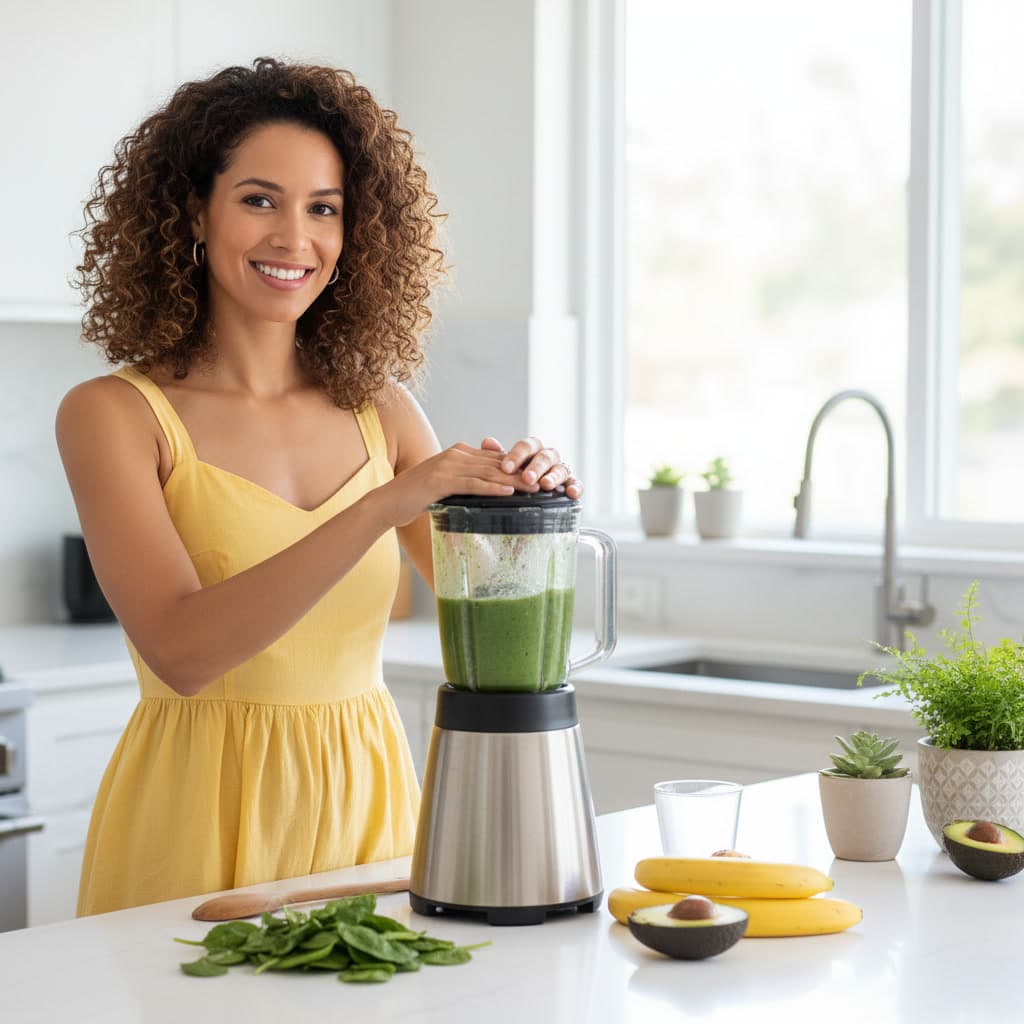
Below are 6 beginner-friendly probiotic supplements to consider.
Amazon picks
Best for beginners (simple daily)
Simple routine > perfection. One capsule per day keeps things consistent when you're just starting out.
Best shelf-stable convenience
Designed to live on your counter—no fridge required. Includes prebiotic + probiotic + postbiotic blend.
Higher CFU option (start slow)
50B CFU blend with cranberry extract. Start with half-serving for a week to gauge tolerance.
iHerb picks
Women's daily option
16 strains + prebiotic fiber. One capsule per day keeps the routine approachable.
Gentle mid-range option
A middle-of-the-road CFU count that feels gentle for those easing into daily use.
Travel-friendly shelf-stable
Comes in blister packs—easy to toss in a carry-on without losing potency.
How to choose the right probiotic (quick checklist)
Decision Framework — keep it simple
- ✅ Genus + species + strain (if available) listed in full.
- ✅ CFU count with serving size + “best by” date.
✅ Clear indication of your goal (daily comfort vs specific symptom).
Beginner game plan
Pick one product, commit for 3–4 weeks, jot how you feel every few days.
If unsure, bring the label to your healthcare provider or RD for a gut-check.
How long before you notice results?
Probiotic effects vary by:
- strains used
- CFU dose
- your baseline gut microbiome
- diet context + consistency
ODS notes probiotic products differ widely and not all are equally studied, so results aren’t guaranteed. [3]
A realistic beginner expectation:
- 1–2 weeks: subtle changes (comfort, regularity)
- 2–6 weeks: clearer pattern (if it’s a good match)
Simple tips to support your results (without doing too much)

Routine anchors
- • Same time daily (pair with brushing teeth or morning tea).
- • Sensitive stomach? Take with a small snack.
- • Start low, go slow if you’re prone to bloating.
Supportive habits
- • Add fiber gradually (chia pudding, oats, roasted veggies).
- • Hydrate—constipation often feels like “bloating.”
- • Layer in gentle movement or breathwork for stress relief.
Bonus: probiotic foods (easy add-on)
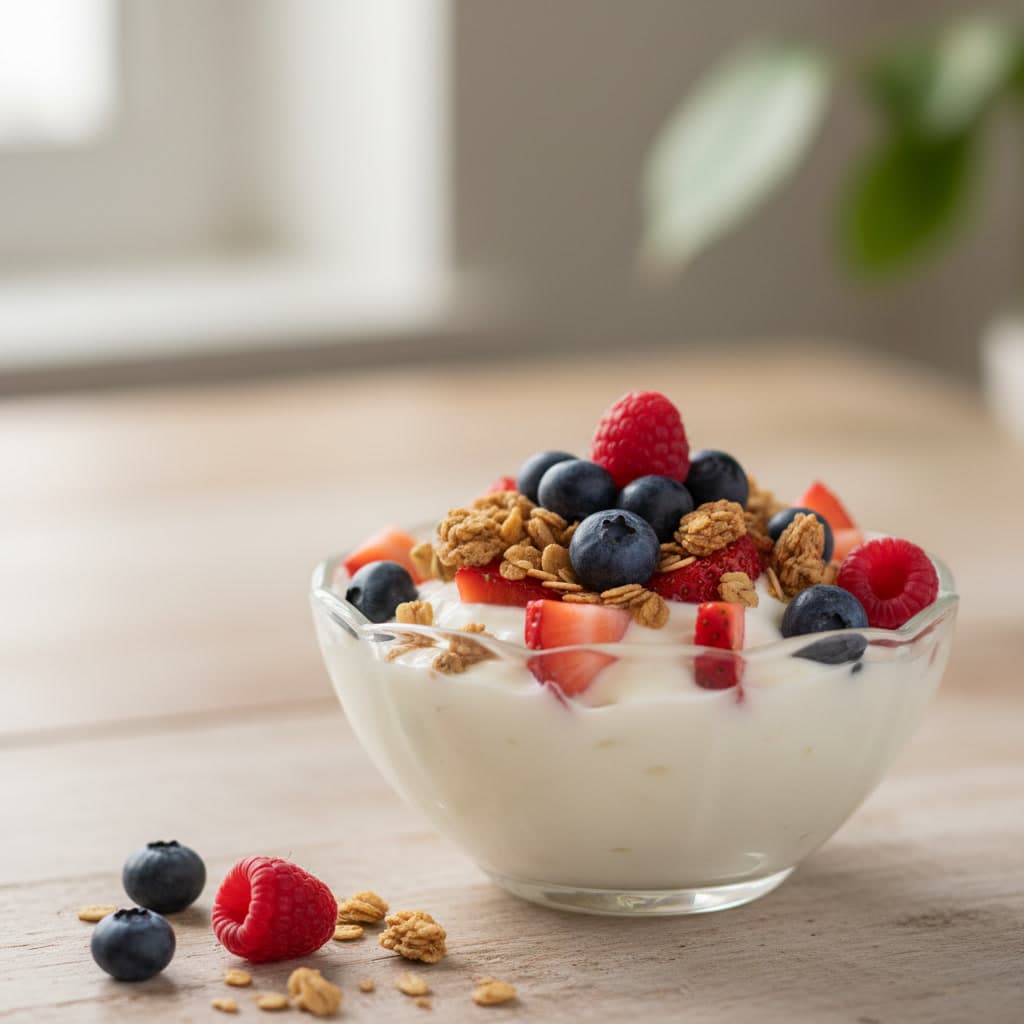
Fermented foods can be great, but ODS notes not all fermented foods necessarily contain probiotics with proven benefits. [3]
Start with one habit
Ready to build a women’s gut-health routine you can actually keep?
Choose one probiotic from the list, track how you feel for 3–4 weeks, and stack gentle habits like fiber + hydration for compounding benefits.
FAQ
What are the best probiotics for women?
+
It depends on your main goal. Look for products that list strains + CFUs clearly and align with digestion goals—ODS notes higher CFUs aren’t automatically better. [3]How do I read CFUs on a label?
+
CFUs show the amount of live microorganisms per serving (often listed in billions). Context matters: strain + CFU + usage directions should work together. [3]
Are Lactobacillus and Bifidobacterium common probiotics?
+
Yes—NCCIH lists Lactobacillus and Bifidobacterium (plus yeast like Saccharomyces boulardii) among the most researched probiotic groups. [2]
Do probiotics need refrigeration?
+
Some do and some don’t—follow the storage instructions. Shelf-stable options (like travel blister packs) can make consistency easier.
Can fermented foods replace a probiotic supplement?
+
Fermented foods are a great habit, but ODS notes not every fermented food contains studied probiotic strains. Use them to complement (not automatically replace) a supplement. [3]References (source links)
Editorial Insight
Health Nutrition Hacks Team
Multidisciplinary nutrition editors + RDs
Our team of nutrition experts and health professionals dedicated to bringing you evidence-based nutrition advice.
Stay in the loop
Enjoyed this article?
Get more evidence-based nutrition tips, healthy recipes, and wellness advice delivered to your inbox every week.
We respect your privacy. Unsubscribe at any time.

Best Supplements for Energy Without Caffeine (No Jitters)
Boost energy without caffeine crashes. Beginner-friendly supplements that support steady energy, focus, and resilience—plus simple stacks and safety notes.
Read article